

Your Guide to Digestive Health Supplements
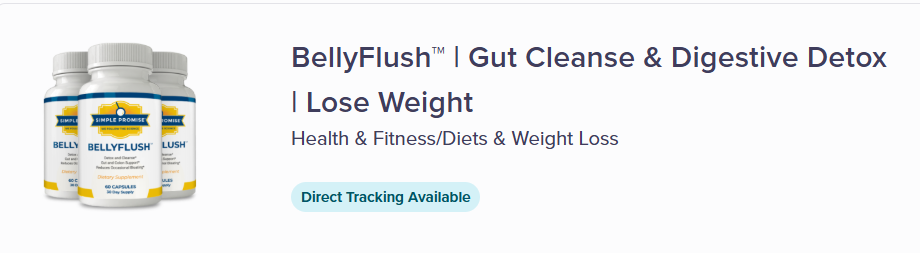
BellyFlush™ – A Natural Approach to Better Digestive Health
In today’s world, our diets often lack the essential nutrients and natural fibers that help keep the digestive system running smoothly. BellyFlush™ was formulated specifically to support healthy digestion using time-tested ingredients derived from nature.
Why Digestive Support Matters
With processed foods, irregular meals, and stressful routines becoming a part of modern life, digestive imbalance is something many experience. BellyFlush™ aims to provide gentle, daily support by offering a blend of natural components traditionally used to soothe the gut and promote overall digestive comfort.
What’s Inside BellyFlush™
This formula is packed with carefully selected ingredients known for their gut-friendly properties. Some notable elements include:
📌 Cascara Sagrada Bark
Used traditionally for promoting regular digestive movement.
📌 Cape Aloe Leaf
Long valued for its cleansing and soothing effects on the digestive tract.
📌 Kelp Leaf Powder
A naturally rich source of minerals that help support overall wellness.
📌 Fennel Seed
Known for helping ease bloating and discomfort.
📌 Marshmallow Root
Used for centuries for its calming, coating effect on the stomach lining.
📌 Licorice Root Extract
A widely trusted botanical for digestive ease and balance.
BellyFlush™ brings these together in a convenient daily supplement designed with purity and effectiveness in mind. If you wish to learn more or check availability, you can visit this page.
How to Use BellyFlush™
It’s crafted to be simple to include in your routine. Most users prefer taking it with a glass of water either in the morning or before bedtime. The gentle nature of the blend makes it suitable for regular use.
Bonus Guides Included
Along with the main product, customers may receive access to helpful wellness guides, recipes, and lifestyle tips designed to complement digestive health and promote balanced living.
Customer-Focused Guarantee
BellyFlush™ is backed by a satisfaction guarantee, reflecting confidence in the quality of the formula. This allows customers to explore the benefits without pressure and with complete peace of mind.
Learn More- Feeling sluggish, bloated, or simply “off”? You’re not alone. Many people are realizing that the root of common health issues—like low energy, skin problems, mood swings, and a weak immune system—often starts in the gut. Your digestive system has a profound impact on your entire body and is central to your overall well-being. As this awareness grows, so does the search for effective solutions. This is where digestive health supplements come into play. These tools can help restore balance, ease discomfort, and support your body’s core functions. This guide will help you understand the world of gut health supplements and find the right support for your needs.
Buy now
Understanding Your Gut: The Foundation of Overall Health
- When we talk about “gut health,” we’re referring to more than just the absence of stomach aches. Your gastrointestinal tract is a complex ecosystem, home to trillions of microorganisms known as the gut microbiome. Think of it as an internal garden. In a healthy gut, beneficial bacteria (“flowers”) flourish and keep harmful bacteria (“weeds”) in check. This delicate balance is vital for more than just digestion. A thriving microbiome helps you absorb nutrients, synthesizes essential vitamins, regulates your immune system (about 70% of which is in the gut), and even produces mood-influencing neurotransmitters like serotonin.
- When this internal ecosystem is thrown out of balance—a condition called dysbiosis—it can trigger a cascade of problems throughout your body. The signs of an unhealthy gut aren’t always obvious. While issues like bloating, gas, constipation, diarrhea, and heartburn are clear red flags, the symptoms can be more subtle. Do you experience unexplained chronic fatigue, persistent skin issues like eczema or acne, unintentional weight changes, or even brain fog and anxiety? These can all be signs of an imbalanced gut microbiome struggling to perform its vital functions.
- Unfortunately, modern lifestyles often work against a healthy gut. Diets high in processed foods, sugar, and unhealthy fats can feed “bad” bacteria, allowing them to overpower the beneficial ones. Chronic stress floods the body with cortisol, a hormone that can damage the gut lining and disrupt microbial balance. Other common culprits include poor sleep, a sedentary lifestyle, and the overuse of antibiotics, which can wipe out both good and bad bacteria. Recognizing these factors is the first step toward understanding why you might need extra support, and where a high-quality gut health supplement or other digestive health products can make a real difference.
Why Consider Digestive Health Supplements for Better Digestion?
- In an ideal world, a perfectly balanced, whole-foods diet would give our gut everything it needs. However, modern life often gets in the way. Soil depletion can mean our produce is less nutrient-dense, and high-stress lifestyles place extra demands on our digestive systems. Even with the best intentions, it can be hard to eat the variety of foods needed to maintain a robust microbiome. This is where targeted supplementation becomes a powerful strategy—not to replace a healthy lifestyle, but to enhance it. If you want to improve digestion, supplements can bridge the gap between what your diet provides and what your body needs.
- Adding a supplement to help digestion to your routine can offer benefits that extend far beyond your gut. A primary advantage is enhanced nutrient absorption. If your gut isn’t working correctly, you could be eating the healthiest diet in the world and still not get its full benefits. The right supplements help ensure you’re breaking down and absorbing vitamins, minerals, and other nutrients effectively. This leads to less digestive discomfort—like bloating, gas, and indigestion—and more comfortable, regular bowel movements. By supporting a balanced microbiome, these supplements also strengthen your immune system, making you more resilient to illness.
- Think of these supplements to aid digestion as an investment in your long-term vitality. By giving your body the tools it needs to function correctly, you’re not just addressing current symptoms; you’re building a foundation for sustained wellness. Whether it’s by repopulating your gut with beneficial bacteria, providing enzymes to break down a heavy meal, or soothing an irritated digestive tract, these products offer targeted, natural support. They empower you to take control of your digestive health, leading to better energy, clearer skin, a more stable mood, and an overall sense of well-being that starts from within.
Top Types of Digestive Health Supplements and How They Work
- Navigating the world of digestive supplements can feel overwhelming, but understanding the main categories is key to finding what’s right for you. Each type of supplement for intestinal health serves a unique purpose, targeting different aspects of the digestive process.
- Probiotics: The “Good” Bacteria for Your Gut
- Probiotics are live, beneficial bacteria that form the cornerstone of many supplements for the gut. They work by reinforcing your gut’s natural population of “good guys,” helping to crowd out harmful microbes and restore a healthy balance. Different strains offer different benefits. For example, strains from the Lactobacillus family are great for overall digestive health, while Bifidobacterium strains are known for supporting immune function and regularity. Specific strains have even been studied for managing conditions like Irritable Bowel Syndrome (IBS). Probiotics come in capsules, powders, and are also found in fermented foods like yogurt, kefir, and kimchi.
- Prebiotics: Fueling Your Gut’s Best Friends
- If probiotics are the seeds in your gut garden, prebiotics are the fertilizer. Prebiotics are a type of non-digestible fiber that acts as food for your beneficial gut bacteria. They pass through your digestive system until they reach the colon, where they ferment and selectively nourish good microbes, helping them thrive. Common prebiotics in supplements include inulin (from chicory root), fructooligosaccharides (FOS), and galactooligosaccharides (GOS). The combination of probiotics and prebiotics is incredibly powerful; products containing both are called synbiotics and offer a comprehensive approach to nurturing your microbiome.
- Digestive Enzymes: Breaking Down Your Food
- Digestive enzymes are proteins that act as catalysts to break down food into smaller, absorbable components. Your body produces its own enzymes, but factors like age and stress can reduce their production. An enzyme-focused digestion vitamin or supplement can be a game-changer. Key enzymes include amylase (for carbs), protease (for proteins), and lipase (for fats). Supplements may also include lactase for lactose intolerance or cellulase to help digest plant fibers. People who often feel heavy, bloated, or gassy right after eating may benefit most from a broad-spectrum digestive enzyme taken with meals.
- Fiber Supplements: Promoting Regularity and Gut Health
- Fiber is essential for a healthy digestive system, yet most people don’t get enough from their diet. There are two main types. Soluble fiber (like psyllium husk) dissolves in water to form a gel that can help lower cholesterol and stabilize blood sugar. Insoluble fiber adds bulk to stool, which helps waste move more efficiently through your system and promotes regularity. A good fiber supplement can be an effective bowel health supplement, helping to prevent both constipation and diarrhea by normalizing bowel function.
- Herbal and Natural Digestive Aids
- For centuries, cultures around the world have used herbs as a natural supplement for digestion. These plant-based remedies offer gentle yet effective relief. Ginger is well-known for its ability to reduce nausea and inflammation. Peppermint oil can relax gut muscles, providing relief from cramping and bloating, especially for those with IBS. Soothing herbs like slippery elm and marshmallow root contain mucilage, a substance that coats and protects the digestive tract lining, reducing irritation. Aloe vera juice can have a similar calming effect. When choosing herbal supplements, it’s crucial to select products from reputable brands that guarantee purity and potency.
Choosing the Best Supplement for Your Unique Needs
- With a better understanding of the types of supplements available, the next step is selecting the best supplement for gut health for your specific needs. This isn’t a one-size-fits-all decision; what works for one person might not be right for another. A thoughtful, informed approach is key to finding the most effective gut health products for your body.
- Identify Your Specific Digestive Concerns
- Before you shop, take a moment to assess your symptoms and goals. Do you mainly struggle with bloating and gas after meals? Digestive enzymes might be your best starting point. Is irregularity your main complaint? A fiber or supplement for bowel health could be the answer. If you’ve recently taken antibiotics or get sick often, a high-quality probiotic could help replenish your microbiome. For general discomfort or overall wellness, a synbiotic (probiotic + prebiotic) is an excellent choice. While self-assessment is a great start, consulting a healthcare professional can provide personalized advice and rule out underlying conditions.
- Key Factors to Look For When Buying
- Ingredient Quality and Purity: The effectiveness of a supplement begins with its ingredients. Look for products that are non-GMO and free from common allergens like gluten, soy, and dairy, especially if you have sensitivities. Check the label for unnecessary fillers, binders, or artificial colors. The cleaner the ingredient list, the better.
- Potency and Dosage: Potency is crucial. For probiotics, this is measured in Colony Forming Units (CFUs). A good daily dose is typically 10 to 20 billion CFUs, though higher doses may be needed for specific issues. For enzymes, potency is measured in activity units (e.g., HUT for protease), not just milligrams. Always start with the recommended dose on the label.
- Third-Party Testing and Certifications: The supplement industry isn’t as tightly regulated as pharmaceuticals, so independent verification is your best guarantee of quality. Look for seals from third-party organizations like NSF International, USP, or ConsumerLab. These certifications ensure the product contains what the label claims, is free of contaminants, and was manufactured properly.
- Formulation (Capsule, Powder, Liquid): The delivery method can affect stability and convenience. Probiotics, for example, are sensitive to stomach acid, so look for delayed-release capsules or strains proven to survive the journey to your intestines. Also, check if the product is shelf-stable or needs refrigeration. Powders can be great for smoothies, while liquids may offer faster absorption.
- Brand Reputation and Reviews: Research the brand. A reputable company will be transparent about its sourcing, manufacturing, and testing. Read customer reviews, but be discerning. Look for detailed feedback related to your goals and be wary of brands that make exaggerated “miracle cure” claims. Finding the best products for gut health often means choosing a brand committed to science and transparency.
Integrating Digestive Supplements into Your Daily Routine
- Choosing the right healthy gut supplement is only half the battle; using it correctly and consistently is what unlocks its full potential. Integrating a supplement to help digestion into your daily life should be simple. For best results, timing can be important. For instance, digestive enzymes work best when taken just before or with a meal. Probiotics are often recommended on an empty stomach or with a light meal to help more bacteria survive the stomach’s acid. Always follow the specific instructions on the product label, as formulations can vary.
- Consistency is paramount. The benefits of most gut supplements build over time and may not be obvious right away. It can take several weeks, or even a couple of months, for your gut microbiome to rebalance and for you to notice significant improvements. Don’t be discouraged if you don’t feel a change overnight. The best approach is to make it a non-negotiable part of your daily routine. To monitor progress, consider keeping a simple journal to track your symptoms, energy levels, and mood.
- Remember that supplements are designed to *supplement* a healthy lifestyle, not replace it. To get the most out of them, focus on creating a gut-friendly environment. This includes eating a balanced diet rich in whole foods, especially a diverse range of fruits and vegetables. Stay hydrated, as this is essential for fiber to work correctly. Incorporate stress management techniques like meditation or yoga, and get regular physical activity. Finally, pay attention to proper storage. Some supplements, particularly certain probiotics, require refrigeration, while others should be kept in a cool, dark place.
Potential Side Effects and Important Precautions
- While most high-quality bowel health supplements are considered safe, it’s important to approach any new gut health product with awareness. Even natural ingredients can cause side effects, especially during the initial adjustment period. When you first introduce probiotics or prebiotics, you might experience a temporary increase in gas or bloating. This is often a sign that your gut microbiome is changing and usually subsides within a week or two.
- To minimize potential discomfort, it’s wise to “start low and go slow.” Begin with a smaller dose than recommended and gradually increase it over several days as your body adapts. This gives your digestive system time to adjust. However, if you experience severe or persistent side effects like intense cramping, pain, or an allergic reaction, stop taking the supplement immediately and consult a healthcare professional.
- Most importantly, you should always speak with your doctor or a qualified healthcare provider before starting any new supplement. This is especially critical if you have a pre-existing medical condition (like SIBO or Crohn’s disease), are taking prescription medications, or are pregnant or breastfeeding. Supplements can interact with certain drugs; for example, fiber can affect the absorption of some medications if taken at the same time. A professional can help you navigate these potential issues and confirm that a supplement for bowel health is appropriate and safe for you.
Frequently Asked Questions About Digestive Health Supplements
- Q: Are digestive health supplements safe for long-term use?A: For most people, many supplements for the gut, such as probiotics, prebiotics, and fiber, are generally safe for long-term use and can be a beneficial part of a daily wellness routine. They help maintain a balanced gut ecosystem. However, it’s always a good practice to check in with your healthcare provider periodically to ensure the supplement is still meeting your needs. Some supplements, like high-dose digestive enzymes, may be better for short-term or as-needed use.
- Q: How long does it take to see results from gut supplements?A: The timeline for results varies greatly depending on the person, the supplement, and the initial symptoms. Some people notice relief from bloating with digestive enzymes within hours. For supplements aimed at rebalancing the microbiome, like probiotics, it typically takes more time. You might notice subtle improvements in 2 to 4 weeks, with more significant benefits appearing after 2 to 3 months of consistent use.
- Q: Can I get all my digestive support from food alone?A: In theory, a diet rich in diverse, fiber-filled plants and fermented foods provides excellent gut support. In practice, this can be hard to achieve consistently due to modern food processing, soil quality, and lifestyle factors. Supplements are an effective way to fill nutritional gaps and provide a therapeutic dose of specific compounds (like certain probiotic strains) that would be difficult to get from food alone.
- Q: What’s the difference between a probiotic and a prebiotic?A: It’s a simple but important distinction. Probiotics are the “good” live bacteria that you add to your gut. Think of them as planting new flowers in your garden. Prebiotics are the “food” for these good bacteria. They are a special type of fiber that travels to your colon and nourishes the beneficial microbes already there, helping them grow. Think of them as fertilizer for your garden.
- Q: Do I need a “vitamin for gut health” specifically, or are general supplements enough?A: While some vitamins like Vitamin D are important for gut health, the term “vitamin for gut health” often refers to more targeted digestive aids. A general multivitamin supports overall wellness, but it won’t directly address specific gut issues like microbial imbalance or poor enzyme production. For targeted results, a specific gut supplement like a probiotic, digestive enzyme, or prebiotic fiber is usually more effective than a general vitamin for intestinal health.
Making an Informed Decision for Your Digestive Wellness
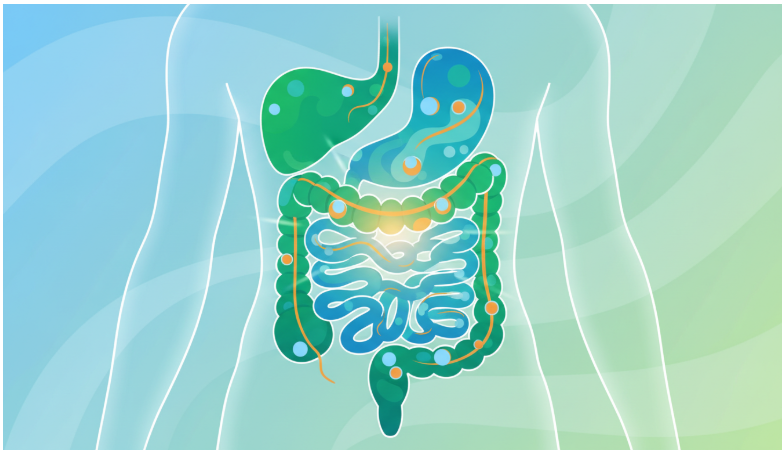
- Your digestive system is the cornerstone of your health, influencing everything from your energy and mood to your immunity. Taking proactive steps to support it is one of the most powerful investments you can make in your overall vitality. In this guide, we’ve explored how modern life can challenge our gut’s delicate balance and how targeted healthy gut supplements can serve as invaluable allies. From the restoring power of probiotics to the efficiency of enzymes and the soothing properties of a natural supplement for digestion, there is a solution for nearly every common digestive concern.
- The journey to optimal gut health is a personal one. It begins with listening to your body, identifying your unique symptoms, and understanding your goals. The key to success is making an informed, deliberate choice, not chasing a quick fix. This means prioritizing quality, scrutinizing labels for purity and potency, and selecting brands that are transparent and backed by science. Remember, these supplements are most powerful when integrated into a holistic lifestyle that includes a nutrient-dense diet, consistent movement, and stress management. They are the support system, not the entire structure.
- Don’t let digestive discomfort dictate your quality of life. Empower yourself with knowledge and take decisive action. Your path to a healthier, more energetic life starts in your gut. Explore reputable brands, talk with your healthcare provider to create a personalized plan, and take the first step towards a happier, more balanced digestive system today. A well-supported gut is the foundation upon which vibrant, long-lasting health is built.
For this product- Click here